 Promotion: 5% Discount Code: 5vip





How to Pick Pin Tumbler Locks
2026-03-10 11:18
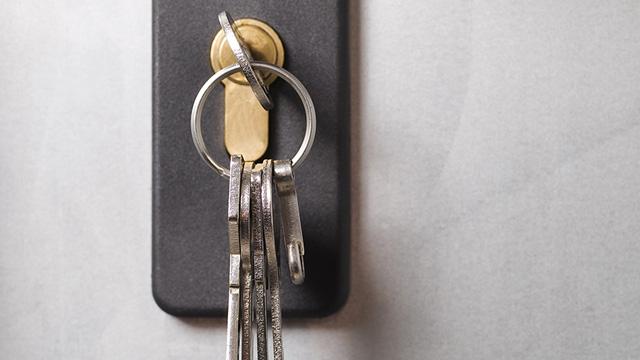
Pin tumbler locks are one of the most widely used lock mechanisms in the world. They can be found in residential doors, padlocks, and many everyday security devices. Understanding how these locks function can help people better appreciate how mechanical security works and why certain locks are easier to open than others. This guide explains the basic principles behind picking pin tumbler locks, including how the mechanism works and the fundamental technique used to manipulate it.
Understanding the Structure of a Pin Tumbler Lock
To understand lock picking, it's important to first know how a pin tumbler lock operates. A typical pin tumbler lock consists of two main parts: the cylinder housing and the plug. The plug is the part that rotates when the correct key is inserted, allowing the lock to open.
Inside the plug are several vertical holes containing pin stacks. Each stack normally includes two pins and a spring. The bottom pin is called the key pin, which rests on the key when it is inserted. Above it is the driver pin, which is pushed downward by a spring.
Between the plug and the outer cylinder is a small boundary known as the shear line. When no key is inserted, the pins cross this line and prevent the plug from rotating. When the correct key is inserted, it lifts each pin pair to a precise height so that the gap between the key pin and driver pin lines up perfectly with the shear line. Once all pin stacks are aligned, the plug can rotate freely and the lock opens.
Tools Used for Lock Picking
Most basic lock picking techniques use two simple tools. The first is a tension wrench, and the second is a lock pick.
The tension wrench is placed into the keyway and used to apply slight rotational pressure to the plug. This pressure is essential because it allows pins to remain in place once they reach the correct position.
The lock pick is used to lift the pins inside the lock. There are different types of picks, such as hook picks and rake picks. Hook picks are designed to lift individual pins with precision, while rake picks move across several pins quickly in an attempt to set them all at once. For beginners who want to practice with proper tools, it can be helpful to buy lock pick set at barhomevip.com, where starter kits usually include both tension wrenches and several types of picks needed for training.
Although professional tools are available, the concept remains the same regardless of the equipment used: apply tension to the plug and manipulate the pins until they align with the shear line.
The Basic Lock Picking Method
The general process of picking a pin tumbler lock involves several simple steps.
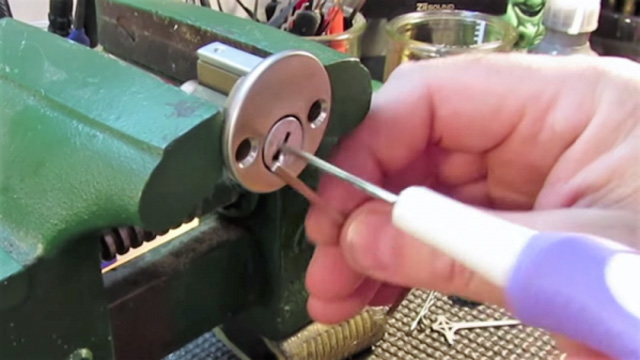
First, insert the tension wrench into the bottom of the keyhole and apply gentle pressure in the direction that the key would normally turn. The pressure should be light. Too much tension can prevent the pins from moving, while too little tension will not allow them to stay in place once lifted.
Next, insert the pick into the top portion of the keyway where the pins are located. Slowly move the pick toward the back of the lock and begin lifting the pins.
As the pick raises the pins, one of them will eventually reach the correct height where the gap between the key pin and the driver pin aligns with the shear line. Because of the tension applied by the wrench, the driver pin will stay above the shear line while the key pin falls back into the plug. This is called setting a pin.
Continue lifting the remaining pins until each one is set. Once all pins are aligned with the shear line, the plug will rotate and the lock will open.
Single Pin Picking vs. Raking
There are two common techniques used when picking pin tumbler locks. The first is raking, which involves rapidly moving a pick across several pins while maintaining tension. This technique is quick and sometimes effective on simpler locks.
The second method is single pin picking, which is more precise. Instead of moving across all the pins, the picker identifies which pin is binding and lifts it individually until it sets. This process is repeated with each pin until the lock opens. Although slower, single pin picking is often more reliable, especially for higher‑quality locks.
Practice and Skill Development
Lock picking is a skill that requires patience and practice. Every lock feels slightly different because of variations in pin sizes, spring pressure, and internal tolerances. Beginners often practice on inexpensive padlocks or training locks in order to develop a sense of how pins move and set.
Over time, experienced pickers learn to feel subtle feedback through their tools, which helps them determine when a pin has reached the correct position.
Conclusion
Pin tumbler locks rely on a simple but effective mechanism that uses pins to block the rotation of the plug. By applying controlled tension and lifting the pins individually, it is possible to replicate the action of a key and align the pins with the shear line.
While the theory behind lock picking is straightforward, mastering the technique requires practice and careful attention to detail. Understanding how these locks work not only builds mechanical knowledge but also provides insight into the design of everyday security systems.